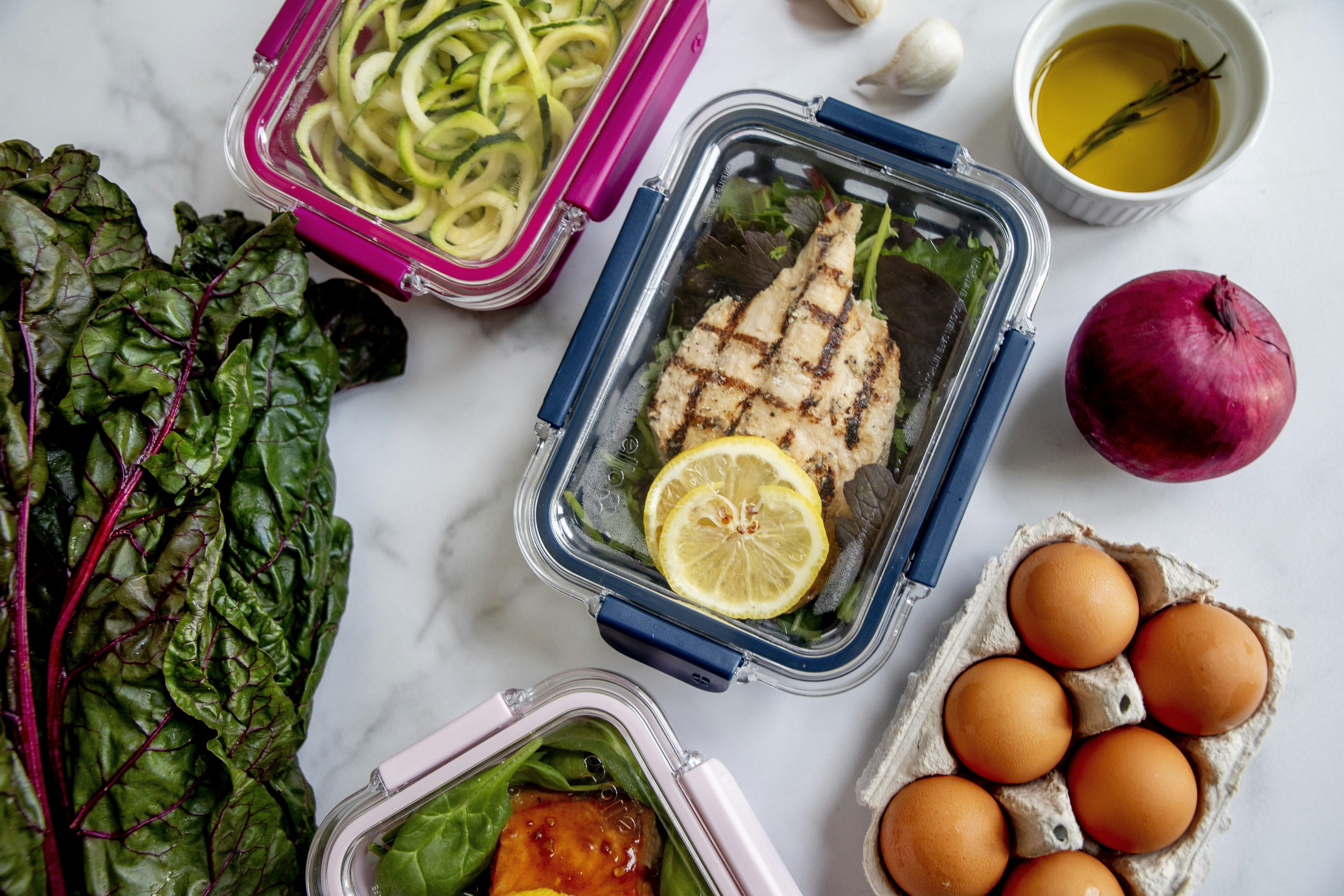
Meal preparation, commonly known as meal prep, is an increasingly popular strategy designed to simplify the process of preparing healthy meals throughout the week. This method involves allocating a specific time to plan and prepare meals in advance, ultimately leading to numerous advantages, particularly in terms of nutrition and overall well-being. One of the key benefits of healthy meal planning is that it helps individuals and families save time. By preparing meals ahead of time, busy professionals and parents can not only streamline their daily routines but also reduce the stress associated with last-minute cooking decisions.
Additionally, nutritional meal planning plays a significant role in promoting healthier eating habits. By having pre-prepared meals on hand, individuals are less likely to fall victim to unhealthy snacks or fast food options due to time constraints or a lack of available choices. When meals are thoughtfully prepared in advance, it becomes easier to control portion sizes and ensure a balanced intake of essential nutrients. This is particularly beneficial for those looking to manage their weight or improve their dietary quality.
The importance of planning meals cannot be overstated, as it lays the foundation for making healthier lifestyle choices. Incorporating a variety of fruits, vegetables, whole grains, and lean proteins into meal prep can significantly enhance overall diet quality. Furthermore, meal preparation can encourage individuals to explore new recipes and ingredients, making healthy eating more enjoyable and sustainable.
In summary, adopting a meal prep strategy can transform not only how we eat but also how we feel about food. By taking the time to plan and prepare meals in advance, individuals can ultimately foster a healthier relationship with food while improving their time management and enhancing their lifestyle.
Understanding the Basics of Meal Planning
Meal planning is an essential process that involves designing meals based on dietary needs, preferences, and available resources. It focuses on preparing nutritious meals in advance, ensuring that individuals and families can maintain a balanced diet throughout the week. The primary objective of healthy meal planning is to streamline cooking, reduce food waste, and support healthier eating habits.
Creating a meal plan starts with identifying personal health goals, which could include weight management, muscle gain, or simply maintaining overall well-being. Effective nutritional meal planning requires strategic thinking to incorporate a variety of foods that provide essential nutrients. Begin by evaluating your dietary preferences and any restrictions to develop a plan that accommodates everyone’s needs.
Balancing macronutrients—carbohydrates, proteins, and fats—is crucial in meal preparation. A well-rounded meal should contain a healthy proportion of these macronutrients to promote satiety and energy levels. For instance, a meal could consist of lean protein such as chicken or legumes, a serving of whole grains like quinoa or brown rice, and plenty of vegetables. This ensures that meals are not only flavorful but also nutritionally complete.
When planning meals, it is vital to set realistic goals. Consider factors such as your cooking skills, time availability, and budget. Start by planning a few meals per week and gradually increase as you become more comfortable with the process. Additionally, using a template or a digital app may help keep your meal plans organized. You can designate specific days for particular cuisines or types of dishes, making healthy meal planning both efficient and enjoyable.
Diet-Specific Meal Prep Ideas
When engaging in healthy meal planning, it is important to tailor your strategies based on specific dietary needs. Different diets—such as vegetarian, vegan, ketogenic, paleo, and gluten-free—require specialized meal prep approaches that can ensure optimal nutrition while remaining enjoyable.
For those following a vegetarian diet, incorporating a variety of legumes, whole grains, and seasonal vegetables is essential. For instance, planning meals around chickpeas, quinoa, and a colorful array of vegetables can yield delicious and nutritious options. Dishes like vegetable stir-fry paired with brown rice or a hearty lentil soup can be prepared in bulk, making them convenient for the week ahead.
Similarly, a vegan meal prep can leverage plant-based proteins such as tofu, tempeh, and seitan. Recipes like chickpea salad or lentil curry can be made in larger quantities and frozen in portions. This type of nutritional meal planning not only ensures adherence to dietary restrictions but also emphasizes a diverse intake of plant foods.
The ketogenic diet, which focuses on low carbohydrate and high fat intake, necessitates meal prep centered around avocados, cheese, nuts, and oils. Preparing recipes such as cauliflower rice stir-fry or zucchini noodles with creamy avocado sauce can satisfy dietary needs while remaining enjoyable. Utilizing meal prep containers can help keep meals on track and prevent deviation into carbohydrate-laden options.
The paleo diet, emphasizing meats, fish, nuts, and vegetables, can benefit from batch-cooking proteins and preparing fresh salads to accompany them. Grilled chicken with roasted sweet potatoes, or baked salmon with asparagus, are excellent examples of suitable meals. These dishes can be prepared in advance and quickly reheated, suitable for busy lifestyles.
Finally, for those requiring gluten-free options, it is crucial to focus on naturally gluten-free grains such as rice, quinoa, and corn. Recipes featuring stir-fried rice and mixed vegetables can be prepped easily for lunch or dinner throughout the week. By adopting these strategies for diet-specific meal prep, individuals can ensure they enjoy their meals while adhering to their nutritional goals.
Cooking Techniques for Efficient Meal Prep
Efficient meal planning is essential for maintaining a healthy diet amidst a busy schedule. One of the most effective ways to streamline this process is by employing various cooking techniques that can significantly enhance meal preparation efficiency. Notably, batch cooking is a cornerstone of healthy meal planning. This technique involves preparing large quantities of food in one sitting, allowing for easy access to ready-to-eat meals throughout the week. By dedicating a few hours on the weekend to cook, individuals can divide meals into portions and store them in the fridge or freezer. This not only minimizes cooking time during weekdays but also encourages healthier eating habits.
Another invaluable method is freezing, which preserves the nutritional value of food while extending its shelf life. Many cooked dishes, such as stews, soups, and casseroles, freeze well and can be reheated without loss of taste or quality. This technique aligns seamlessly with nutritional meal planning, as it allows for the preparation of wholesome meals that can be enjoyed at any time. Utilizing airtight containers or freezer bags can further prevent freezer burn and maintain meal integrity.
Moreover, incorporating slow cookers or instant pots into meal prep routines can yield significant time savings. These appliances allow for hands-off cooking, where ingredients can be added in the morning and left to simmer, ensuring a delicious, ready meal by dinner time. Additionally, prepping ingredients ahead of time—such as chopping vegetables or marinating proteins—can drastically reduce cooking time during the week. By organizing ingredients and utilizing these efficient cooking techniques, individuals can foster a sustainable approach to healthy meal planning, making it easier to adhere to a nutritious diet.
Smart Storage Solutions for Meal Prep
Effective storage solutions are integral to successful healthy meal planning. Properly storing prepped foods not only helps in maintaining freshness but also ensures food safety, which is vital when incorporating nutritional meal planning into your routine. Selecting the right containers is the first step; glass containers with airtight lids are highly recommended for meal storage as they prevent leaking and allow for versatile reheating options. Additionally, utilizing BPA-free plastic containers can be a cost-effective and lightweight alternative.
When it comes to refrigeration, the ideal temperature is at or below 40°F (4°C). It is critical to allow cooked dishes to cool before storing them in the refrigerator. This helps to reduce the chances of bacterial growth. For longer storage, freezing is an excellent option; foods can generally be stored for three to six months in the freezer without a significant loss of quality. Use freezer-safe containers or bags, ensuring to remove as much air as possible to prevent freezer burn.
Food safety guidelines should always be followed to mitigate health risks. Labeling your stored meals with the date of preparation is a best practice. This not only helps in tracking freshness but also assists in organizing your meals effectively. Consider developing a system where meals are organized by the day of consumption or by categories such as breakfast, lunch, and dinner. When maintaining organization in your refrigerator or freezer, utilize clear containers that allow visibility of contents, making it easier to access meals quickly.
Overall, incorporating these smart storage solutions into your meal prep routine will streamline your culinary endeavors while supporting your commitment to healthy eating through nutritional meal planning. By investing time in proper storage practices, you enhance both the longevity and safety of your meals for the week ahead.
Easy and Nutritious Meal Prep Recipes
Meal planning can significantly simplify your week and ensure you maintain a balanced diet. Below are several easy and nutritious meal prep recipes designed specifically for busy individuals looking to uphold healthy eating habits.
Breakfast: Start your day with overnight oats. Combine rolled oats with almond milk, chia seeds, and your choice of fruit such as bananas or berries. Let the mixture sit overnight in the refrigerator; your nutritious breakfast will be ready for you in the morning. This satisfying meal is packed with fiber and essential nutrients, making it an excellent choice for healthy meal planning.
Lunch: Prepare a quinoa salad that can be customized based on seasonal vegetables. Cook quinoa and toss it with chickpeas, diced cucumbers, cherry tomatoes, and a simple lemon vinaigrette. This dish is not only flavorful but also a great source of protein and healthy fats, perfect for maintaining energy levels throughout your busy day.
Dinner: For a wholesome dinner option, consider baked chicken with roasted vegetables. Marinate chicken breasts in olive oil, garlic, and herbs, then bake in the oven alongside seasonal vegetables like broccoli and carrots. This meal is not only easy to prepare in advance but also a balanced source of protein and vitamins.
Snacks: Nutritional meal planning is not complete without healthy snacks. Prepare energy bites with oats, nut butter, honey, and chocolate chips. Simply roll the mixture into bite-sized balls, refrigerate, and they are ready to grab on the go. These snacks provide a good blend of carbohydrates and protein to keep you satisfied and energized.
Incorporating these easy and nutritious meal prep recipes into your routine will not only support a healthy lifestyle but also save time during your busy week.
Time-Saving Grocery Shopping Tips
Effective grocery shopping is a critical component of successful healthy meal planning. One of the primary strategies to streamline your grocery shopping is to create a well-structured shopping list. When engaging in nutritional meal planning, it is vital to make a list based on your planned meals for the week. This not only reduces impulse purchases but also ensures that you obtain all necessary ingredients, minimizing the likelihood of multiple trips to the store.
Another essential tip is to shop on a budget. Planning your meals can significantly influence your food expenses. By prioritizing recipes that utilize similar ingredients, you can cut costs while centralizing your shopping around these staples. Pay attention to sales and discounts on items you frequently use, allowing you to maximize your budget without compromising your meal planning goals.
Choosing in-season produce plays a crucial role in both cost-effectiveness and taste. In-season fruits and vegetables are typically more affordable and flavorful, making them an ideal choice for nutritious meals. Researching which produce is at its peak during your shopping week can enhance the freshness and nutritional value of your meals.
Additionally, exploring bulk buying options can save time and money, especially for non-perishable or frequently used items. Purchasing grains, legumes, and pantry essentials in bulk can lessen the frequency of your grocery trips and offer long-term savings. A focus on healthy meal planning should include an inventory of your pantry to avoid duplicate purchases and ensure your stock supports your nutritional goals.
These time-saving grocery shopping tips will help streamline your shopping experience, making it easier to adhere to your healthy meal planning strategies. By being organized and thoughtful in your choices, you can enjoy the process of meal preparation while prioritizing your health and well-being.
Tips for Staying Motivated with Meal Prep
Staying motivated during the meal planning process can often be a challenge, especially when life becomes busy and demanding. However, by implementing a few strategic approaches, anyone can maintain enthusiasm for healthy meal planning. One effective method is to set achievable goals. Breaking down the meal prep process into smaller, manageable objectives can provide a sense of accomplishment and keep motivation high. For instance, instead of focusing on preparing meals for an entire week, one can start by planning and prepping meals for just two to three days, gradually working up to a full week as comfort and confidence grow.
Another way to sustain motivation is to find inspiration from various sources, such as social media platforms or meal prep services. Following food bloggers or nutritionists who share their meal prep techniques can spark new ideas and motivate individuals to try out different recipes. Engaging with an online community of meal preppers also allows for the exchange of experiences and tips, thereby fostering a supportive environment that enhances motivation through shared goals and experiences.
It is also important to mix up recipes to keep the meal planning process exciting. Creating a weekly meal plan that includes a variety of ingredients and cuisines can help combat monotony. Each week, try incorporating new recipes or tweaking familiar ones by adding different spices or switching out vegetables. This not only enriches the nutritional value of meals but also makes healthy meal planning an enjoyable practice. By maintaining creativity in meal preparation, one can look forward to the anticipation of enjoying diverse dishes, thus sustaining motivation for meal prep over the long term.
Conclusion: Making Meal Prep a Habit
Incorporating healthy meal planning into your daily routine can significantly enhance your nutritional well-being. By dedicating time each week to prepare balanced meals, you create an environment that fosters healthier eating habits. This proactive approach not only saves time during hectic weekdays but also helps reduce the likelihood of impulsive, unhealthy food choices. Meal preparation allows for better control over ingredients, portion sizes, and nutritional content, ultimately leading to improved health outcomes.
Establishing a routine around meal prep can be straightforward. Start by designating specific days for planning and cooking. Consider crafting a weekly menu based on your dietary preferences and nutritional goals. Utilize a grocery list to ensure you have all necessary ingredients on hand, reducing last-minute trips to the store that often lead to unplanned purchases. Cooking in bulk and storing meals in appropriate portions can streamline your weekday meals and make adherence to your healthy meal planning goals easier.
Adopting meal prep as a regular habit not only benefits your physical health but can also save money and reduce food waste. By preparing meals in advance, you minimize the chances of ingredients spoiling before use and can optimize your grocery budget. Over time, as you refine your meal preparation techniques and recipes, you’ll find that it becomes an integral part of your lifestyle.
In conclusion, consistent practice and dedication to nutritional meal planning is vital for achieving and maintaining healthy eating objectives. Remember that the journey to a healthier you is gradual; establishing habits such as meal prep today can lead to lasting changes and improvements in your overall well-being. Embrace the process, stay committed, and enjoy the benefits of a well-planned meal routine.