
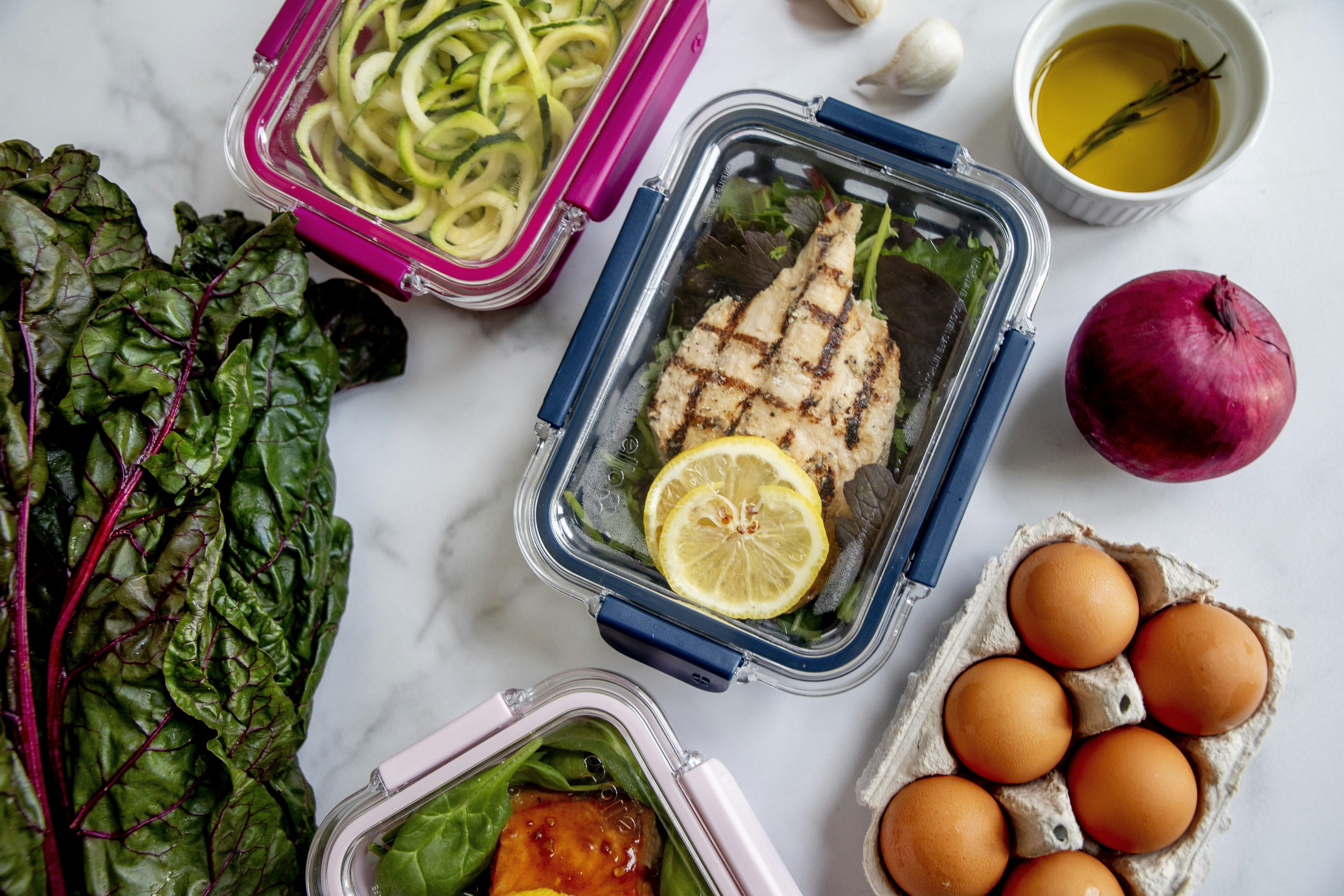
Introduction to Meal Preparation
Meal preparation, commonly referred to as meal prep, is the process of planning and preparing meals ahead of time, providing both convenience and nutritional benefits. This practice has gained significant popularity, particularly among busy individuals and families looking for effective ways to maintain a healthy lifestyle amidst their hectic schedules. By allocating specific time to plan and prepare meals, individuals can ensure they have healthy meal options readily available throughout the week.
One of the key advantages of healthy meal planning is the potential for time savings. Cooking multiple meals in advance allows individuals to reduce the time spent in the kitchen on busy weeknights. Meal prep eliminates the need to start from scratch daily, thereby freeing up time for other important activities or relaxation. This is particularly beneficial for those with demanding jobs or for families juggling various commitments, as it allows them to enjoy home-cooked meals without significant time investment each evening.
Moreover, engaging in weekly meal prep ideas can lead to healthier eating habits. When you prepare meals in advance, you have greater control over the ingredients used, making it easier to choose whole foods and avoid processed options. Individuals can tailor their meals to meet specific dietary requirements, enhancing overall health and well-being. Additionally, affordable meal prep can help in budgeting, ensuring that families are not only saving time but also money by reducing the temptation to eat out or order takeout, which can often be more expensive and less nutritious.
In conclusion, understanding the concept of meal prep is essential for those looking to streamline their cooking routines while prioritizing health. By adopting this practice, individuals can effectively manage their time, make healthier food choices, and support their overall wellness goals.
Understanding Different Diets for Meal Prep
When it comes to meal prep, understanding various dietary preferences and restrictions is essential for creating a healthy meal planning strategy. Different diets cater to unique nutritional needs and preferences, making it crucial to adapt meal prep ideas accordingly. This section explores popular dietary lifestyles including vegetarian, vegan, keto, paleo, and gluten-free meal prep, providing insights on how to craft nutritious meals accommodating each.
Vegetarian meal prep focuses on incorporating a variety of plant-based foods. Options may include lentil soups, quinoa salads, and a mix of roasted vegetables. For those who follow vegan meal prep, consider replacing animal products with whole grains, legumes, and plenty of fruits and vegetables. Simple recipes include chickpea curry and avocado toast, which can be easily batch-prepared for the week.
The keto diet emphasizes low-carb, high-fat meals. Affordable meal prep for this diet could consist of grilled chicken with a side of creamy broccoli or egg muffins packed with spinach and cheese. These options ensure that meal prep adheres to the ketogenic principles while being convenient for busy lifestyles.
Paleo meal prep focuses on whole foods similar to those available to our hunter-gatherer ancestors. Meals may feature grass-fed meats, fish, fruits, and vegetables. A simple weekly meal prep idea is to prepare grilled salmon with mixed greens and sweet potatoes, providing essential nutrients without processed ingredients.
For individuals with gluten sensitivities, gluten-free meal prep can easily incorporate alternatives such as quinoa, brown rice, and gluten-free pasta. Ideas for weekly meals include stir-fried veggies with brown rice or turkey meatballs served with zoodles (zucchini noodles). By adjusting your meal prep strategies to align with specific diets, you can cultivate a healthier lifestyle tailored to your needs.
Essential Meal Prep Tools and Equipment
Effective meal preparation significantly relies on having the right tools and equipment in the kitchen. When embarking on meal prep, investing in essential tools not only enhances efficiency but also promotes a healthier lifestyle through organized and consistent cooking practices. First and foremost, quality food storage containers are pivotal. Available in various sizes and materials, these containers help in storing prepped ingredients or complete meals, ensuring freshness and minimizing waste. Opting for BPA-free, microwave-safe, and leak-proof containers can facilitate better organization during weekly meal prep.
In addition to storage, having a variety of cooking utensils is vital. Sharp knives, cutting boards, measuring cups, and spoons streamline the cooking process, making healthy meal planning less cumbersome. High-quality cookware, such as non-stick pans and pots, allows for easier cooking and cleanup, particularly when preparing larger batches of meals. Accessories like mixing bowls and spatulas also contribute to a simplified cooking experience, helping you to combine ingredients efficiently.
Modern appliances further elevate the meal prep process. Slow cookers and Instant Pots are noteworthy mentions, offering versatility and convenience. These devices allow for hands-off cooking, enabling users to prepare wholesome meals while attending to other tasks. These tools are ideal for creating soups, stews, and even rice dishes, thus supporting the initiative of affordable meal prep by maximizing ingredient use. Additionally, blenders and food processors can expedite meal preparation by quickly chopping vegetables or blending smoothies, aligning well with a healthy eating regime.
Having the right meal prep tools not only simplifies the cooking experience but also promotes a sustained commitment to nutritious eating. Investing in these essentials can alleviate the pressures of daily cooking, encouraging individuals to embrace their culinary journey.
Planning Your Meal Prep: Creating a Weekly Menu
Effective meal prep starts with a well-thought-out weekly menu. Creating a structured meal plan not only saves time during the week but also ensures you are making healthy eating choices that align with your goals. To begin, consider your dietary preferences and nutritional needs while choosing meals that are balanced and varied. Aim for a mix of proteins, whole grains, fruits, and vegetables to create a wholesome diet.
When selecting recipes, look for options that can be made in bulk or have similar ingredients, which helps to reduce waste and streamline your grocery shopping. Websites, cookbooks, and social media platforms can serve as excellent resources for delicious and healthy meal planning ideas. Furthermore, consider seasonal ingredients as they are often more affordable and flavorful. This not only makes your meals more enjoyable but also supports local farmers and reduces your carbon footprint.
Once you have selected your recipes, developing a shopping list becomes essential. Categorize your list according to fresh produce, pantry staples, and proteins to ensure you do not overlook any necessary items. This straightforward organization will lead to faster in-store navigation and can help in avoiding impulse purchases of unhealthy options. Incorporating these healthy meal planning strategies will equip you to tackle your week confidently, promoting the success of your meal prep initiatives.
Don’t forget to incorporate leftovers into your meal prep strategy. Leftovers can be transformed into new dishes, providing variety throughout the week while minimizing food waste. By taking time to create a weekly menu that resonates with your personal tastes and lifestyle, you position yourself for long-term success in maintaining a healthy diet through effective meal prep.
Batch Cooking Techniques
Batch cooking is a highly effective method for meal prep that allows individuals to prepare large quantities of food in a single cooking session. This technique not only saves time but also contributes to healthier meal planning by allowing for better portion control and reducing reliance on unhealthy convenience foods. By devoting a few hours on a designated day to cook, individuals can create a variety of meals that can be conveniently stored and enjoyed throughout the week.
One-pot meals are a fantastic option for batch cooking. By using a single pot or pan, you can simplify the cooking process and minimize cleanup. Meals such as stews, casseroles, or rice dishes are not only nutritious but can also be made in large batches. They are versatile, allowing the incorporation of various vegetables, proteins, and grains. For instance, a hearty vegetable and quinoa stew can be simmered in one pot, providing a healthy meal while maximizing flavor and nutritional value.
Another efficient strategy is to focus on freezer-friendly recipes. Meals that freeze well, such as chili, soups, and certain pasta dishes, can be made in large quantities and stored in individual portions. When the time comes to eat, these frozen meals can simply be reheated, ensuring that you always have a healthy option on hand. Incorporating various ingredient combinations can keep even repetitive meals interesting, while also adhering to budget-friendly meal prep principles.
To enhance the flavor of your batch-cooked meals, consider using an array of spices and herbs. Preparing multiple portions at once can allow for experimentation with different combinations, ensuring variety in your meal prep plan. Additionally, pre-chopping vegetables or marinating proteins ahead of time can save effort during the batch cooking process.
In conclusion, batch cooking, combined with one-pot meals and freezer-friendly recipes, leads to effective and healthy meal planning. This approach not only simplifies the cooking process but also enhances the enjoyment of nutritious and affordable meals throughout the week.
Storing and Preserving Meal Preps
Meal preparation is a time-saving and health-promoting practice, but the effectiveness of your meal prep largely depends on how you store the food. Proper food storage techniques are crucial for maintaining freshness and preventing waste, ultimately enhancing your healthy meal planning efforts. This section discusses essential practices to effectively store meal preps, especially focusing on refrigerator and freezer storage tips.
First, it is vital to use airtight containers when storing prepped meals. These containers help reduce air exposure and moisture loss, preserving food quality. Opt for clear, glass, or BPA-free plastic containers, and select sizes that are appropriate for the portion sizes you usually consume. Alongside the use of containers, consider refrigerating or freezing meals in separate portions to avoid thawing and refreezing large unrefrigerated batches, which can compromise food safety.
Labeling is another effective method to enhance your meal prep storage efforts. By including the date of preparation and the name of each dish on the containers, you can monitor their freshness more easily. This practice also helps to avoid confusion when reaching for a meal in the refrigerator or freezer. Remember that most cooked meals can last up to four days in the refrigerator. However, taking advantage of freezing cooked meals can extend their longevity significantly. Most meals can be safely stored in the freezer for about three months.
Furthermore, always be mindful of safe food handling practices when dealing with raw ingredients and meal preps. Wash your hands and utensils thoroughly to eliminate any chances of contamination. Keeping cooked and raw foods separate during storage is essential to ensure safety. By following these simple yet effective guidelines for storing and preserving meal preps, you can optimize your weekly meal prep ideas and maintain the quality of your meals for longer periods.
Easy and Nutritious Meal Prep Recipes
Meal prep offers an excellent solution for individuals seeking to maintain a healthy lifestyle without the stresses of daily cooking. Below, we present a selection of easy-to-follow recipes that cater to various dietary preferences and can seamlessly fit into your weekly meal prep routine.
Breakfast: Overnight Oats
Ingredients: 1 cup rolled oats, 2 cups almond milk, 1 tablespoon chia seeds, 1 tablespoon honey, and your choice of toppings (fruits, nuts, or seeds).
Instructions: In a mason jar, combine oats, almond milk, chia seeds, and honey. Stir well, seal the jar, and refrigerate overnight. In the morning, add your desired toppings for a nutritious breakfast ready in seconds.
Lunch: Quinoa Salad
Ingredients: 1 cup cooked quinoa, 1 cup cherry tomatoes (halved), 1 cucumber (diced), 1 bell pepper (diced), 1 can chickpeas (rinsed), olive oil, lemon juice, salt, and pepper.
Instructions: In a large bowl, mix the quinoa, tomatoes, cucumber, bell pepper, and chickpeas. Dress with olive oil, lemon juice, salt, and pepper to taste. This salad can be made in bulk and stored for multiple lunches.
Dinner: Sheet Pan Chicken and Vegetables
Ingredients: 4 chicken breasts, 2 cups broccoli, 2 cups carrots, 1 tablespoon olive oil, garlic powder, salt, and pepper.
Instructions: Preheat the oven to 400°F (200°C). Arrange the chicken breasts on a sheet pan and surround them with broccoli and carrots. Drizzle with olive oil and season with garlic powder, salt, and pepper. Bake for 25-30 minutes until the chicken is cooked and the vegetables are tender.
Snack: Healthy Energy Bites
Ingredients: 1 cup rolled oats, ½ cup peanut butter, ¼ cup honey, ¼ cup chocolate chips, and a pinch of salt.
Instructions: In a bowl, mix all ingredients and form small balls. Chill in the refrigerator for at least 30 minutes before enjoying these bites as a convenient and nutritious snack.
These recipes not only simplify your cooking process but also encourage healthy meal planning. By incorporating them into your weekly meal prep, you can ensure you have delicious and nutritious meals ready to enjoy, saving both time and stress during the week.
Motivational Strategies for Successful Meal Prep
Staying committed to a regular meal prep routine can be challenging, particularly when faced with time constraints and a lack of culinary inspiration. To effectively maintain a meal preparation system, it’s important to adopt strategies that can enhance motivation and sustainability. One effective approach is to join meal prep communities, both online and offline. These groups can serve as a source of encouragement, inspiration, and accountability. Engaging with others who share similar interests in healthy meal planning can provide valuable tips and innovative meal prep ideas that can invigorate your understanding of affordable meal prep.
Social media platforms also offer an abundance of resources for individuals seeking inspiration for their meal prep endeavors. By following accounts that focus on healthy meal planning, you can access a stream of creative recipes and visual ideas that spark your motivation. Platforms such as Instagram and Pinterest are replete with meal prep content, showcasing not just dishes, but also the various organizational methods that can enhance your weekly meal prep. Curating a board or a list of goal-oriented meal prep ideas can serve as a useful visual reminder of what you hope to achieve.
Setting realistic and achievable goals in meal preparation can also significantly enhance your motivation. Rather than overwhelming yourself with the prospect of preparing meals for an entire month, consider starting with a week’s worth of meals. This manageable goal allows you to gauge your time investment and culinary skills, adjusting as necessary. Documenting your meal prep successes can create a sense of accomplishment, reinforcing your commitment. Celebrate the milestones, no matter how small, to keep the enthusiasm alive!
Conclusion: Embracing Meal Prep for a Healthier Lifestyle
Meal preparation has emerged as a transformative practice for those who seek to improve their eating habits while saving time and resources. By adopting regular meal prep, individuals can streamline their grocery shopping, reduce food waste, and cultivate a more organized kitchen environment. With an emphasis on healthy meal planning, the process of preparing meals in advance curtails the temptation to choose less nutritious options during busy weekdays.
The advantages of engaging in weekly meal prep ideas go beyond convenience. When meals are planned and prepped, individuals can make healthier choices effortlessly; their options are already prepared and ready to savor. This preparation allows for a balanced intake of nutrients, as one can incorporate a variety of wholesome ingredients into their meals, supporting their overall health and well-being.
Additionally, affordable meal prep strategies can significantly reduce dining costs associated with last-minute purchases or takeout meals. Purchasing ingredients in bulk, planning meals around seasonal produce, and cooking in batches leads to substantial savings. These economic benefits further motivate the practice of meal prep, making it all the more appealing for families and individuals alike.
In conclusion, by embracing meal preparation as a regular practice, individuals can cultivate a healthier lifestyle. From better food choices and time-saving advantages to cost-effective strategies, meal prep sets the stage for sustainable eating habits. By implementing the discussed techniques and integrating meal prep into daily routines, everyone can enjoy the numerous benefits that come from truly prioritizing their health and well-being.